
Searching weekend getaways wa can produce an appealing list of accommodation offers, scenic towns and short break packages. The price that catches your attention is often only one part of the trip. A modest room rate can become an expensive weekend once fuel, transfers, meals and timing are included. A slightly higher starting price may fit your plans better when it removes extra travel or includes something you would otherwise buy.
This checklist helps you compare budget WA breaks on the same basis. It does not assume a particular destination is always cheap or promise a current deal. Instead, use your actual dates, departure point and travel needs to calculate what each option would cost your household.

1. Set the amount you can spend on the whole weekend
Choose an overall limit before looking at accommodation. Include money you are comfortable spending rather than counting on future discounts. Decide whether that amount must cover every purchase or only the bookings you pay in advance. Make room for an unexpected expense so one small change does not undermine the plan.
Separate essential spending from optional activities. Essentials might include safe transport, suitable accommodation, necessary meals and any unavoidable booking charges. Optional spending might include a restaurant upgrade or an extra attraction. This makes it easier to reduce the total while preserving the parts of the break that matter most.
2. Compare the journey from your front door
Western Australia short breaks can involve a substantial journey depending on where you start. Compare the return trip, not just the distance to the destination. For a drive, estimate fuel using your vehicle and route, then consider parking and any practical stops. For a flight, add airport transport, baggage where needed and onward travel after arrival.
Time is another cost even when it does not appear on a receipt. A late Friday departure followed by a long drive may leave less energy for the weekend. An early Monday return might require extra childcare or leave from work. Write those consequences beside the transport price so a cheaper fare does not hide an inconvenient schedule.
3. Check the accommodation total for your actual group
Enter every guest, the correct number of nights and the room type you need. Review the final price before payment. Check bedding, bathroom arrangements, parking, late arrival procedures and any required deposits. A kitchenette may help with meal spending, but only if you intend to shop and cook during the stay.
Look at location as part of the price. Staying further away may save on the room while increasing driving, parking and travel time. Staying centrally may cost more but allow you to walk to the activities you want. Neither arrangement is automatically better; compare it against your planned weekend rather than the destination name alone.
4. Build a meal plan you will realistically follow
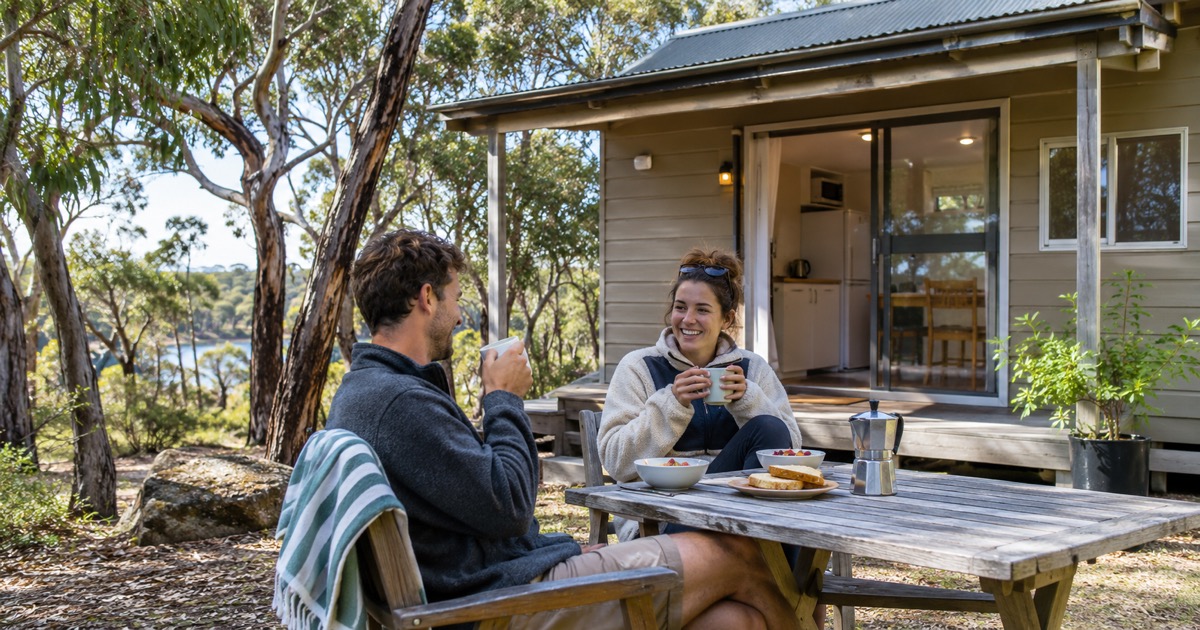
A budget that assumes every meal will be prepared at the accommodation is not useful if you want to explore all day. Plan a realistic mix of groceries, takeaway and dining out. Check whether breakfast is included and what that actually means for your group. Allow for snacks and drinks during the journey, especially when travelling with children.
Think about arrival time. Reaching a smaller destination late in the evening can limit food options. Confirm what is open or bring an appropriate meal plan. Practical preparation can reduce rushed spending without turning the break into a strict accounting exercise. The aim is to make choices early enough to enjoy them.
5. Price the activities that make the trip worthwhile
Choose one or two priorities before adding a long list of paid attractions. Check current entry prices, booking requirements and session times directly with operators. Consider whether a weather dependent activity needs a backup. An apparently free outing may still involve parking, equipment or a longer drive, so include those costs where relevant.
Do not book an activity solely because it appears discounted. Ask whether you would choose it at an ordinary price and whether it fits the people travelling. For ideas that suit a slower pace, our guide to weekend getaways in WA for couples can help you think about the experience you want.
6. Put both options into the same comparison
The following figures are a fictional planning example in Australian dollars, not live offers or destination price estimates. They show how the lowest room price can produce a different overall result once the rest of the weekend is included.
| Cost for two travellers | Option A | Option B |
|---|---|---|
| Two nights accommodation | $320 | $400 |
| Return transport and parking | $180 | $100 |
| Planned meals | $220 | $180 |
| Chosen activities | $80 | $80 |
| Planned total before contingency | $800 | $760 |
In this example, Option B has the higher accommodation cost but the lower planned total. Your own result may be completely different. Replace every number with current information and make sure both options include equivalent needs. Keep a separate allowance for unexpected expenses instead of treating the example total as a spending recommendation.

7. Review flexibility before choosing the lowest price
Read cancellation and change conditions for each component. Note the deadline, the amount at risk and whether a refund, credit or change is available under the booking terms. If bookings are separate, changing one does not automatically change the others. Keep confirmations together so you can see how the arrangements connect.
Compare flexible and restrictive options against your actual uncertainty. A family waiting on a work roster may value different conditions from travellers with fixed leave. The useful question is what happens if your likely plans change, not whether one label sounds reassuring. Ask the supplier to clarify any wording you do not understand before paying.
8. Check the budget again after booking
Record what you have paid, what remains due and which expenses will arise during the weekend. Share the plan with the other travellers so everyone understands whether restaurant meals or extra activities are included. Keep booking references accessible without placing sensitive payment information in a shared note.
Before departure, confirm check-in instructions, activity times and the route. If a change adds an extra transfer or night, update the whole trip total. A small revision is easier to manage when it is visible than when it appears as a surprise during the break.

Find a break that fits the complete budget
Explore Alby Travel with your dates and priorities in mind. If a package is on your shortlist, read how to compare flight and hotel package value. Choose the option that supports the weekend you want within the amount you can comfortably spend.
Frequently asked questions
Are nearby weekend getaways always cheaper?
Not always. Shorter travel may reduce transport spending, but accommodation, meals and activities still affect the total. Compare the complete plan for your dates.
Should I book accommodation first?
Check transport and your main activity before committing. A suitable room is less useful if the journey or the activity you want is unavailable.
How much contingency should I allow?
Choose an amount that suits your budget and the uncertainties in your plan. Keep it separate from optional spending so it remains available if needed.
Can a package be better value?
It can, depending on inclusions and conditions. Compare the same dates, transport, room needs and flexibility against separate bookings.
What is the simplest way to reduce spending?
Identify the lowest priority extra and remove it first. Preserve suitable accommodation, practical transport and the activity that makes the trip worthwhile.