
Searching for what’s on in Albany is not only about finding an event name. A useful plan connects the date, location, audience, booking requirements and the rest of the day. Albany’s city, waterfront and wider Great Southern setting create opportunities to combine markets, food, live music, cultural activities and outdoor experiences without treating each listing as an isolated stop.
Event information changes. Times can move, tickets can sell out and outdoor programs can respond to weather. For that reason, this guide focuses on a reliable discovery and verification process rather than a fixed calendar. Use it to plan a weekend, a family day, a visitor itinerary or an evening out, then confirm the current details with the organiser.
Choose the event plan that fits your day
A visitor with one free day
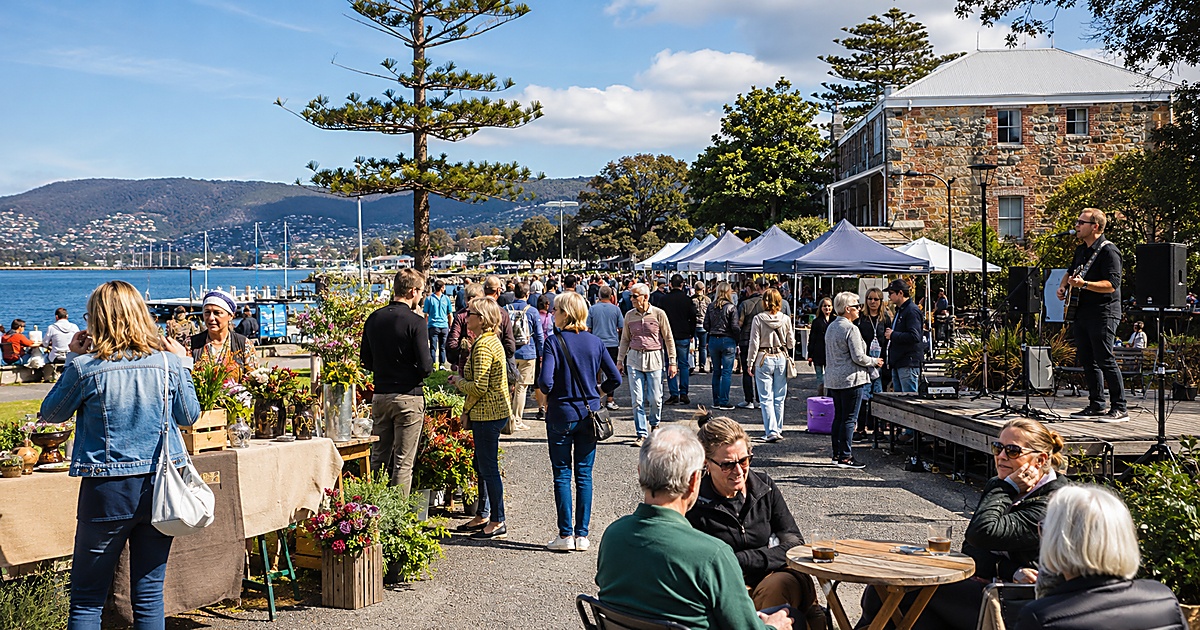
Prioritise one main event or experience and build food and local discovery around it. Choose activities within a sensible area so the day is not dominated by driving. A market in the morning, lunch near the city centre and an afternoon waterfront or cultural stop can create variety without becoming rushed.
A family planning the weekend
Check age suitability, toilets, shade or indoor options, parking, food availability and whether tickets are required for children. Allow buffer time and identify a simple backup if weather affects an outdoor event.
A couple or group looking for an evening out
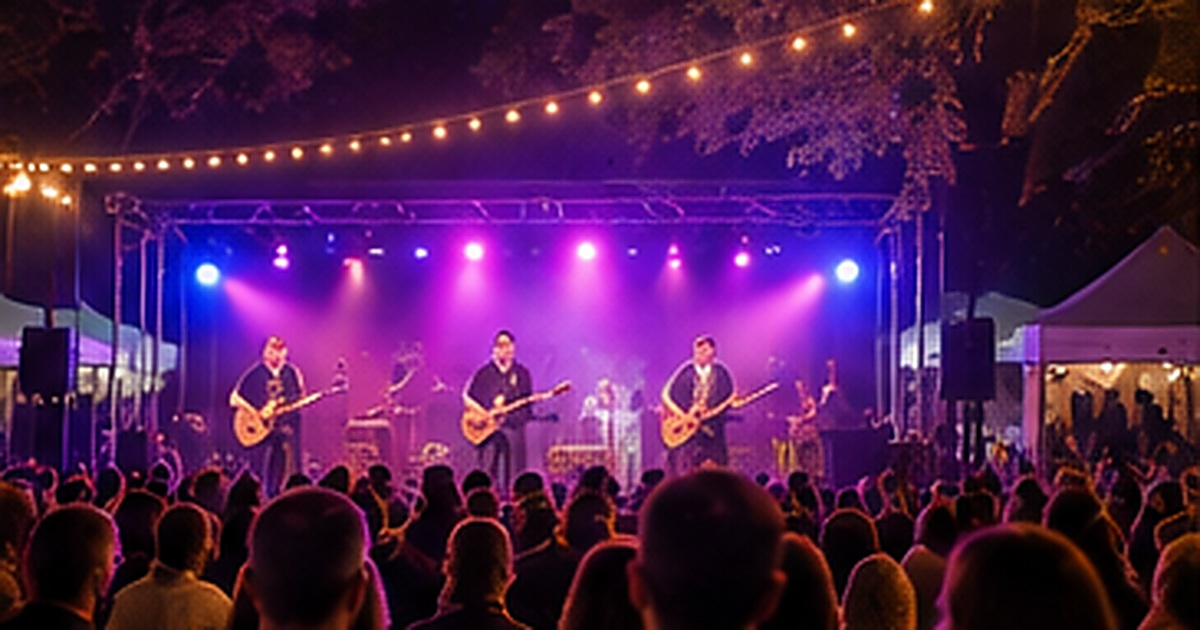
Look at live music, dining, performances and venue events as one plan. Confirm start time, entry conditions, seating, food service and transport home. If a venue becomes adults-only after a certain time, check the current policy before attending.
A local resident wanting something different
Use categories outside your normal routine: a community workshop, regional producer event, local exhibition, market, heritage activity or small live performance. Local discovery is strongest when it introduces people to businesses and organisers they would not otherwise encounter.
The main types of Albany events to explore
| Category | What it can include | Planning checks |
|---|---|---|
| Markets | Produce, crafts, food, gifts and community stalls | Operating date, location, payment options and weather |
| Food and drink | Special menus, tastings, producer events and dining experiences | Bookings, age conditions, dietary needs and session time |
| Live music | Solo performers, bands, community concerts and venue gigs | Doors, set time, entry, seating and transport |
| Arts and culture | Exhibitions, performances, workshops and heritage programs | Session length, ticketing, access and photography rules |
| Family and community | Festivals, school-holiday activities and local gatherings | Age suitability, facilities, supervision and costs |
| Outdoor and nature | Walks, tours, coastal activities and seasonal experiences | Weather, equipment, fitness, permits and meeting point |

Build the itinerary around location
Albany and the Great Southern cover more ground than a single city-centre block. Plot the event and any meal, shopping or accommodation stops before committing. An event near the waterfront can work naturally with city dining and local retail; a regional attraction may need more travel time and fewer additional bookings.
Use a map-based directory such as Alby Place to see nearby categories and local businesses. The directory includes food, retail, professional and home services, health and wellness, stay and travel, and other community listings. This helps visitors move from “What event is on?” to “What else is useful nearby?”
Check the details that event summaries often omit
- Exact date and year: Recurring event pages can remain online after a previous edition.
- Start, finish and entry time: Doors may open well before the advertised performance.
- Ticket status: Free events may still require registration; paid sessions may have limited capacity.
- Venue access: Check stairs, paths, seating, toilets and accessible parking when relevant.
- Age and licensing conditions: Venue rules can change by session or time of day.
- Food and drink: Confirm whether it is available, included or permitted from outside.
- Weather plan: Outdoor events may relocate, postpone or cancel.

A sample approach to planning an Albany weekend
Start with the fixed item—the event that operates only at a certain time. Add flexible activities around it. For example, a Saturday market or tour might anchor the morning; a local lunch can remain flexible; an evening performance or live-music booking becomes the second fixed point. Sunday can be reserved for a coastal, cultural or regional experience based on weather and energy.
Avoid scheduling several ticketed activities back-to-back across distant locations. Albany rewards a slower pace, and local businesses benefit when visitors have time to browse, eat and engage rather than moving immediately to the next booking.
How event discovery supports Local SEO
Current event content gives searchers a reason to discover a place at a specific time. When event pages include accurate dates, venue names, addresses, organiser details and links to relevant local businesses, they help users and search engines understand the local context. Event content can also create useful internal links to food, accommodation, transport and service listings.
For organisers and venues, the most useful listing is specific and maintained. Avoid publishing only a poster image. Add readable text with the event name, date, time, location, audience, ticket method, accessibility and contact details. This improves discoverability and reduces repetitive questions.
Event-day checklist
- Recheck the organiser’s current event page or social update.
- Save the address, parking or meeting point and contact details.
- Confirm tickets, registration, age conditions and session time.
- Review weather and any relocation or cancellation notice.
- Plan food, transport and nearby activities without overloading the day.
- Allow extra time for busy periods and regional travel.
- Support relevant local businesses where they suit the plan.
Common planning mistakes
- Relying on an old search result without checking the year.
- Assuming an event is walk-in because admission is free.
- Confusing doors-open time with performance start time.
- Ignoring travel between Albany and wider Great Southern locations.
- Booking a meal too close to a fixed event start.
- Failing to check child, accessibility or licensing conditions.
- Treating outdoor plans as guaranteed in changing weather.
Conclusion
The best answer to “what’s on in Albany?” is a current, practical plan. Find the event, verify it, understand the location and connect it with suitable local food, services and experiences. This approach works for visitors and residents while strengthening the relationship between events and the businesses around them.
Explore local categories, listings and community updates through Alby Place. For visitors building transport and accommodation around the weekend, Alby Travel can support the wider journey.
Frequently asked questions
Where can I find current Albany events?
Use local directories, organiser websites, venue channels and official community sources. Cross-check the date and follow the organiser for last-minute changes.
Do free Albany events require tickets?
Some do. Free registration may be used to manage capacity or communicate changes. Read the event instructions rather than assuming walk-in entry.
How should I plan around live music?
Confirm doors, performance time, seating, food service, entry conditions and transport. Allow enough time for dinner without risking a late arrival.
What should families check before attending an outdoor event?
Review facilities, shade, toilets, age suitability, food, supervision, parking, weather and the organiser’s cancellation process.
How can a local business benefit from event listings?
Publish accurate local information, link relevant services or offers naturally, maintain business details and collaborate with organisers where there is a genuine connection.
